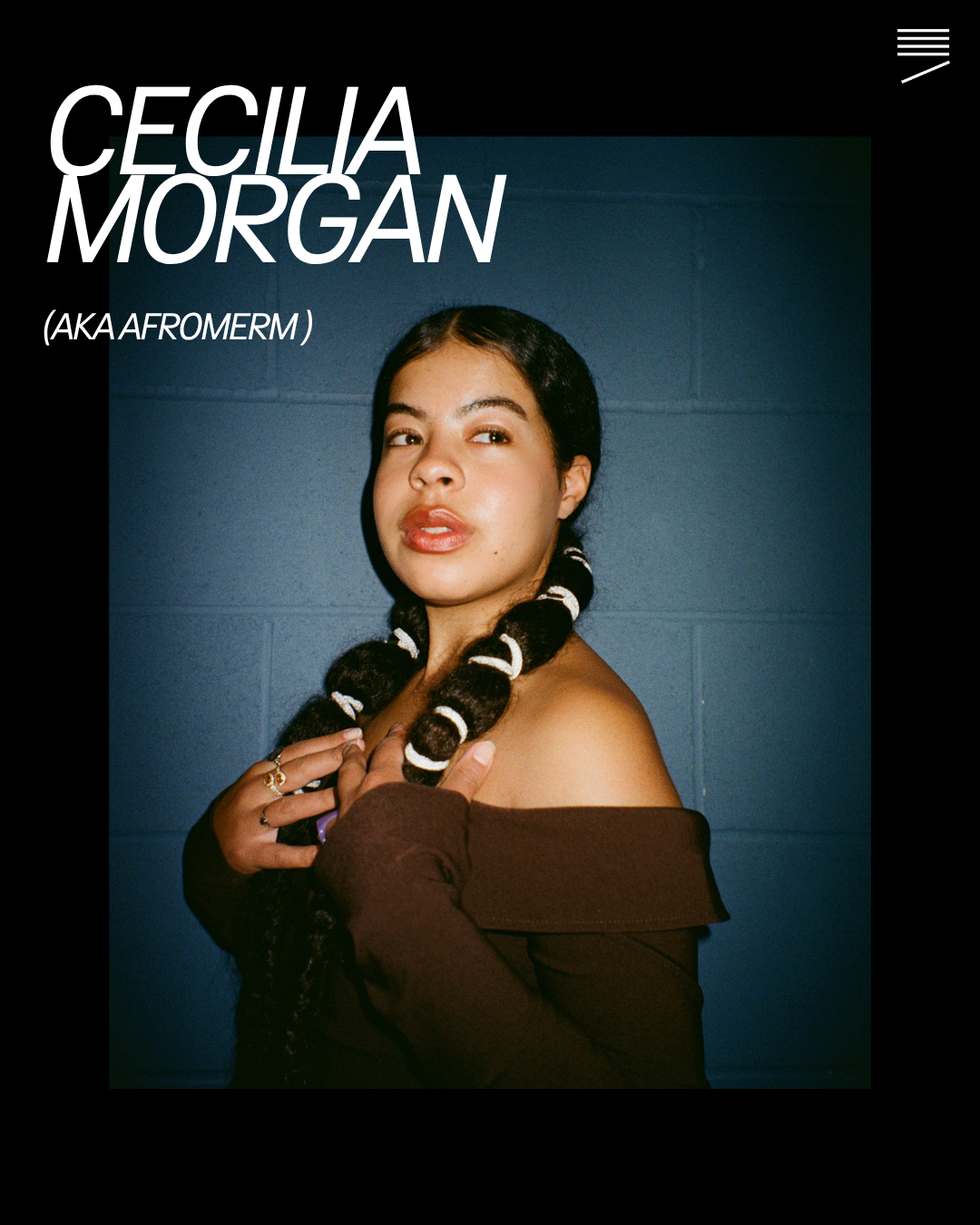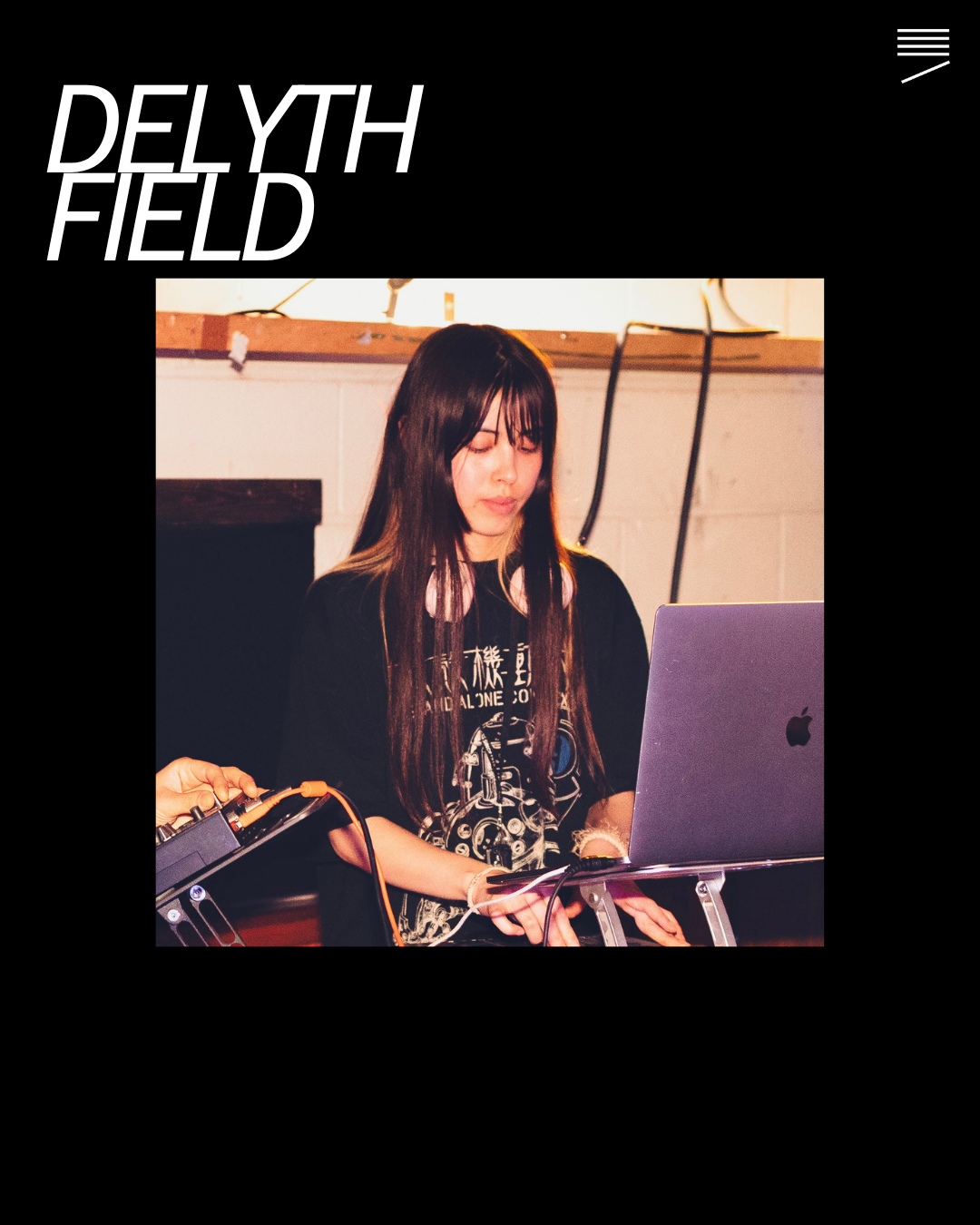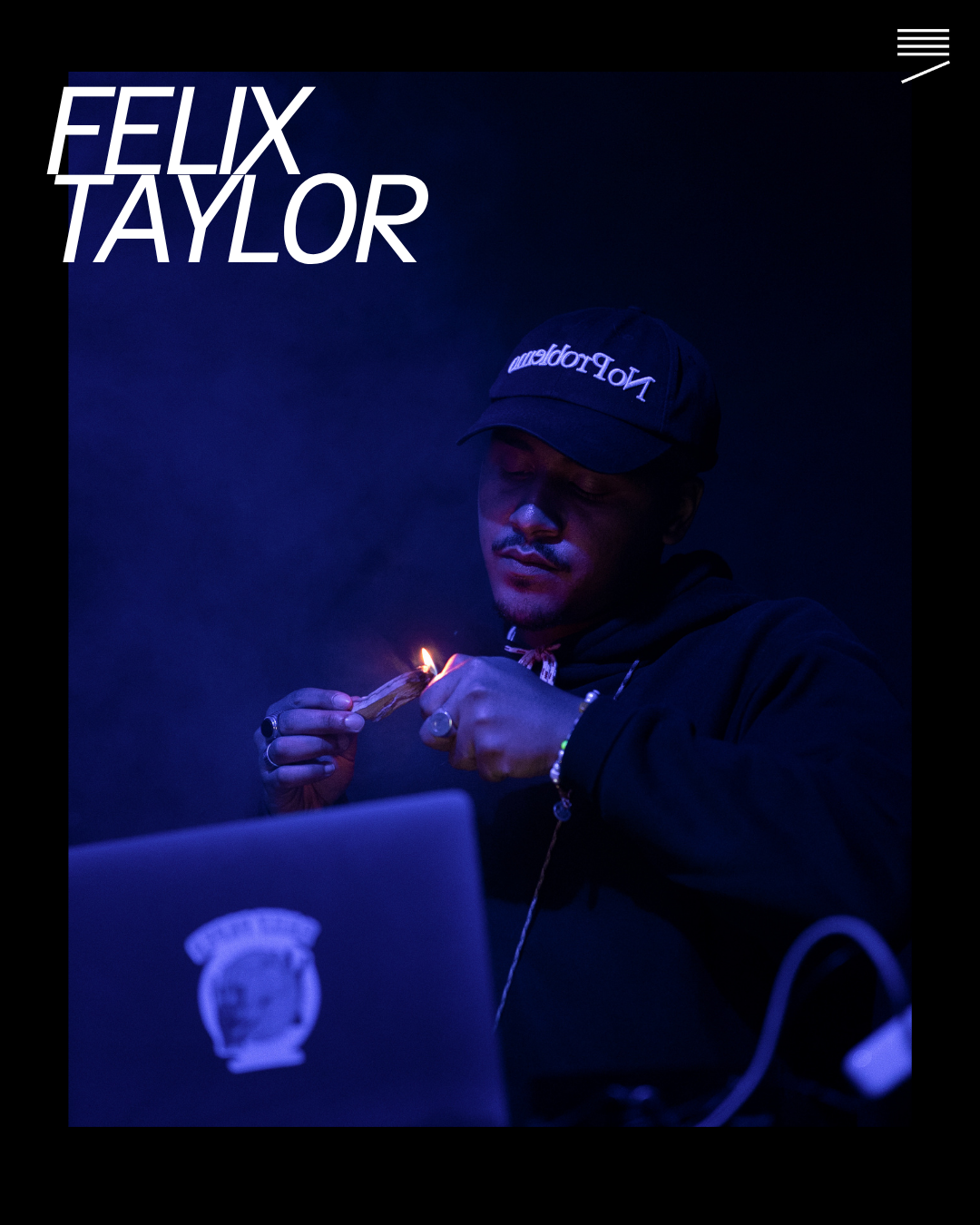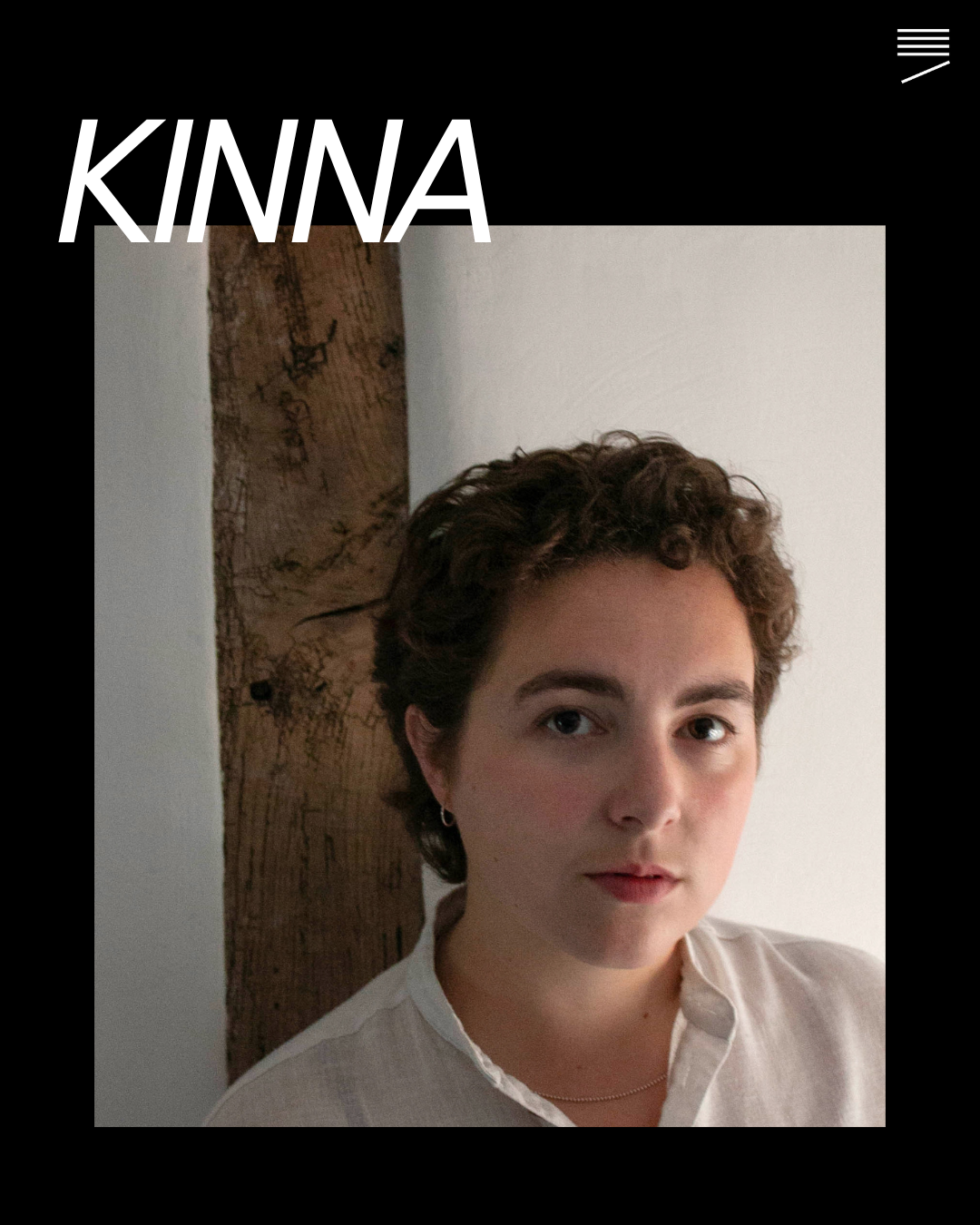
are you a composer looking for opportunities to grow as an artist?

we’re looking for four uk-based composers who display a unique artistic voice and development potential to join nonclassical air (artists in residence) in 2026.

with thanks to our funders: the mila charitable organisation, vaughan williams foundation, idlewild trust, radcliffe trust, fenton arts trust, and the margaret engering music trust.

nonclassical is honoured to open applications for our long-running artist development programme. Since 2016, the scheme has supported 16 artists including the likes of Nneka Cummins, Blasio Kavuma, Laurence Osborn and Atefeh Einali. Former participants have received national recognition (Ivor Novello and RPS Awards), major commissions (BBC Proms and LA Phil), and further opportunities with both nonclassical and other organisations (signed to publishing labels, invited to prestigious festivals) following our support.

Nonclassical AiR supports the artistic development of unsigned and unpublished early-career composers, who are creating stand-out new contemporary classical, electronic and/or experimental music that chimes with our ethos.

The scheme has been specially developed to give four early-career artists a 360-degree view of what it takes to be a composer in today’s musical landscape, across commissions, curating and promoting events, releasing music, as well as gaining a deeper understanding of how the music industry operates and who operates it. 

Former editions of the Artists in Residence programme have featured: a takeover at the Southbank Centre, concerts at the Glad Cafe (Glasgow) and Ormside Projects (London), and partnership events with Contemporary Music for All (CoMA) and Sinfonia Smith Square. 


what nonclassical air offers

In the first year of the scheme, the four artists will:

  • Receive a £1,000 fee to write a piece for soloist or collaborate with an ensemble on a curated concert.

  • Record a track for our label’s Outside the Lines digital EP compilation. 

  • Meet with a dedicated mentor of your choice.

  • Engage with a qualified career coach to shape goals and provide a confidential space to help overcome any challenges.

  • Undertake a bespoke package of professional training sessions based on goals and skills gaps.

Subject to successful fundraising, in the second year of the programme selected artists will:

  • Develop a short piece for ensemble, remunerated at Musicians Union commission rates, based on a baroque dance form for Vache Baroque, with workshop time to test out ideas.

  • Contribute to Nonclassical’s programme of curated events.

  • Continue mentoring, coaching and professional development sessions to support both creative and professional development.

A budget of financial support will be provided to remove any barriers to participation which may include travel, accommodation, childcare or other assistance. Individual circumstances will be taken into consideration upon offer of a place on the scheme. Please indicate on the form any access requirements you may have to enable your participation.


what we are looking for

  • Composers over 18.

  • UK-based composers.

  • Early-career composers (this does not necessarily equate with age). For more information on what counts as early career please scroll to our FAQs section.

  • Composers who do not have a recording or publishing contract.

  • Composers who will not be in formal education (undergraduate or postgraduate, including practice-based PhD) for the duration of the scheme.

  • Artists displaying exceptional ability and potential from any genre and/or musical background who can work with notated music – this does not have to be traditional Western musical notation, and may include practices such as graphic notation, text instruction scores or workflow from a DAW, in order to collaborate with other musicians (with the potential for added notation support).

  • Candidates whose career and artistic development would significantly benefit from this opportunity.

  • At least one of the four spaces on the programme will be ringfenced for an artist with limited to no experience with Western classical notation, or without a background in formal classical training, to receive additional support with notating their ideas.

  • We particularly welcome applications from underrepresented and/or marginalised groups in music, including but not limited to women and marginalised gender, Black, Asian or ethnically diverse, and/or disabled artists.

  • Artists who are able to dedicate to an ongoing, part-time commitment over the course of up to 24 months (from June 2026 to April 2028). We understand participants are likely to want to balance their activities with other commitments, and this is certainly possible. There will be activity during the day and the evenings, and will be communicated in advance and we will aim to be flexible where possible.


Apply

To apply for nonclassical AiR, please complete the application form at the below button. Please also fill out our anonymous Equal Opportunities Monitoring form.

The application process will open on Wednesday 15 April 13:00 BST and close on Wednesday 13 May 10:00AM BST.

You will be asked to answer questions about why you are applying to this particular programme, what you seek to do artistically and to share examples of your music as links to listen, and visual representations (either traditional or otherwise). Our main application questions are as follows (all should be answered in 1,000 characters max or no more than 2 minutes of audio or video):

  • What attracts you to nonclassical AiR? How do you hope it will make a difference to your career and practice in this present moment?

  • What interests you musically that might inspire an event you could curate for nonclassical?

There is also an optional question to outline if you consider yourself to have faced barriers to accessing classical music.

Applications will be assessed with support from a diverse panel of external advisers, including the nonclassical team, trustees and an individual from our previous cohort of composers. Decisions will be made in line with Sound and Music’s Fair Access Principles

We aim to select eligible applicants by the end of June 2026 latest, though this will depend on how many applications we receive. 

We will select the four artists based on the following criteria, judged through the application questions and submitted musical examples:

  • Do your musical examples excite us, both in their craft and originality and do they align with our aims to support adventurous electronic, experimental and contemporary classical music, pushing the genre forward?

  • The perceived impact the scheme could have on your career and artistic development; being the appropriate level for this development opportunity.

  • Seeking a diverse cohort of four to complement each other.

All shortlisted candidates will have the opportunity to request feedback and we will aim to give broad feedback about what stood out in the selected candidates. If you were not shortlisted, feedback will unfortunately not be available due to staff capacity (our staffing is only equivalent to 2.6 full time equivalent), as we anticipate a considerable number of applicants. (Previous rounds have received 200-400 applications for four spaces. While we anticipate this being a competitive process we do not want that to put you off throwing your hat in the ring!)

IF YOU HAVE ANY QUESTIONS ABOUT THE PROCESS, YOUR SUITABILITY, OR IF YOU WOULD LIKE TO APPLY IN A DIFFERENT FORMAT, PLEASE CONTACT MARCELLA KEATING ON MARCELLA@NONCLASSICAL.CO.UK. for A plaintext version of this page, visit this link.


faqs

I have applied before but wasn't successful, can I reapply?

Yes! So long as you meet all eligibility requirements, you are welcome to reapply.

How do you define unpublished and/or unsigned?

We define unsigned artists as those who do not hold a multi-year and/or exclusivity contract with a record label. We define unpublished artists as those who don't have a full catalogue and/or exclusive publishing contract with a publisher.

How do you define early career?

The term ‘early-career’ is difficult to define and may look different depending on a range of factors including art form/s, career pathways and personal circumstances. Nonclassical AiR looks to support practitioners who have some existing professional experience and momentum for their practice but are still in the early stages. Identifying the moment of transition from ‘early-career’ to ‘mid-career’ is also complex. These are some markers which would suggest a practitioner was beyond the career stage we can support. If somebody meets two or more of the following criteria, they are likely to be ineligible for Nonclassical AiR:

  • They have extensive international touring experience with their own work.
  • They have long-term commercial representation such as an agent.
  • They have more than one major commission with national coverage and profile.
  • They have significantly more than ten years’ experience with their practice. If the practice is split up by career breaks (e.g. for caring or health responsibilities, leaving the sector, etc) they are eligible.
  • Anyone in full-time or part-time formal education is unable to apply. Formal education refers to those courses operated by established educational institutions such as further education colleges, universities, conservatoires schools or art colleges.

Why can’t I be a student?

We find that those connected to academic institutions are able to access internal opportunities and funding that is not accessible to working professionals. Opportunities for working professionals are few and far between, so this programme is specifically designed for those who are not in full-time or part-time education. Those who are in the write-up of their PhDs are also not eligible to apply.

I am UK-based but currently living abroad – can I apply?

You must be living in the UK to be eligible to apply. Please note that over the course of the scheme you will be expected to travel to London. Nonclassical can only supply travel expenses within the UK. Nonclassical are unable to pay or sponsor Visa expenses.

When you say no formal notation experience, what do you mean?

Artists who have not received schooling in notation, the system of symbols used to present written music. Some basic knowledge of notation is fine, but you should not have been trained in classical notation or use it in your work. If you use untraditional or no notation in your work but you know how to use and read classical notation, you should not apply for this ringfenced place. Essentially: if you would feel comfortable using traditional notation to write an entire piece, you should not apply for this place.

Is my music right for you?

Our mission is to support artists working in and across contemporary classical, experimental and electronic music, so if your work engages with one or more of these genres you’re probably right to apply. If helpful, you can listen to work by previous Artists in Residence and our wider catalogue to give you a sense of who we’ve worked with in the past.

What accessibility provision is in place?

Individual circumstances will be taken into consideration upon offer of a place on the scheme. We recognise that artists/creatives with disabilities and/or access requirements are under-represented in the arts and may require additional support throughout the year.

Successful applicants will be invited to submit an access document to outline their support needs. This is so that we can assess your needs in order to ensure that you have equal access to work. Examples of access documents for artists can be found here: https://www.accessdocsforartists.com/.

We will also regularly consult with the composers throughout the scheme to monitor their needs and assess any change in circumstance. Nonclassical endeavour to support every composer and make the scheme accessible to their needs. This includes a budget of reasonable financial support allocated towards their access requirements.


artist in residence RELEASES

Find out more about the alumni who have been supported by previous iterations of this programme below:

● 2023/25: Beatrice Ferreira, Harry Górski-Brown, Nneka Cummins, NWAKKE (more info here)

● 2021/23: Emily Abdy, Atefeh Einali, Elischa Kaminer, Simon Knighton (more info here)

● 2019/20: Blasio Kavuma, Lola de la Mata, Dan Samsa and Yfat Soul Zisso (more info here)

● 2016/17: Beni Giles, Charlotte Harding, Laurence Osborn and Freya Waley-Cohen (more info here)


Support: help make nonclassical air happen

Would you like to play a part in nurturing the next generation of composers and sound artists and help support the new music of the future? We can’t make this work happen without our amazing supporters - if you would like to find out more about helping us continue the Artist in Residence programme into its second year or beyond, please get in touch with Alice Beverley at development@nonclassical.co.uk or find out how you can donate at https://www.nonclassical.co.uk/support-nonclassical  

nonclassical air is supported by THE MILA CHARITABLE ORGANISATION, VAUGHAN WILLIAMS FOUNDATION, IDLEWILD TRUST, RADCLIFFE TRUST, FENTON ARTS TRUST, AND THE MARGARET ENGERING MUSIC TRUST.


nonclassical is grateful to our partners for their support of the programme.


nonclassical is a sound and music fair access principles signatory.